
Background
Parks and Recreation provides a variety of facilities and programs that enhance and enrich the quality of life of a community. Parks are a vital part of the public realm, protecting and preserving open space, beautiful views, vistas and natural resources for passive and active recreational pursuits. These pursuits lift the spirit and contribute to people's physical and mental well being. Recreation not only includes those activities that occur in parks, but also encompasses athletic, social, cultural and educational programs that take place on school grounds and at various other public settings. The availability of nearby recreational facilities greatly affects the range of leisure activities, and the associated quality of life opportunities, of the local population. Because it is beyond the means of most individuals to provide capital-intensive recreational facilities for their own use, it is appropriate and necessary for local governments to do so.
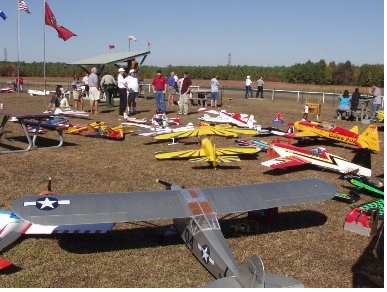
In addition to providing traditional park and recreation opportunities, Parks and Recreation serves as the mechanism through which new and even “nontraditional” (e.g., mountain biking, aeromodel flying, disc golf, paintball/airsoft, dog parks, geo-caching, etc.) recreational desires and demands are considered, evaluated and implemented. The wide spectrum of recreation demands, coupled with a variety of requests from special interest groups, must be carefully assessed to determine actual level of need/use as well as the feasibility and appropriateness of local government assistance.
Increasingly, parks and recreation departments around the country are also being called upon to act as stewards of our natural and cultural resources. Land conservation, environmental protection and archaeological and historic preservation can fall under the purview of parks and recreation, providing for "passive" recreation in the enjoyment of scenic vistas, as well as educational programs and heritage tourism opportunities. In addition, the growing national interest in walking for pleasure, jogging, hiking and bicycling, coupled with the spiraling prices in the worldwide oil market, has fueled the demand for non-motorized trails linking work, residence, commerce and recreation.
Since the early 2000's, the broader social and economic impacts provided by public parks and recreation have been increasingly documented and cited. Benefits such as strengthening and revitalizing communities, providing positive economic impact on property values, improving public health and lowering associated health costs, enhancing youth development, promoting tourism and enhancing green infrastructure are now clearly recognised as primary, rather than ancillary, values of public parks and recreation.
When viewed within this expanded framework, the Parks and Recreation program for Newport News exhibits certain strengths as well as weaknesses, which this Plan addresses. Newport News is strong in regional parkland, but deficient in parks at the community and neighborhood level. The City is active in educational classes and programs but lacks sufficient resources to properly maintain existing park, athletic, and recreation facilities and public landscapes. Newport News, although blessed with a waterfront location, is limited in publicly accessible shoreline. Team and individual sports activities are strong in the City, but the number of playing fields and athletic facilities are inadequate to meet the current and projected user demand. Although the area has a temperate climate and flat terrain, the region lacks a system of safe off-street biking and jogging trails.